
Speakers
-
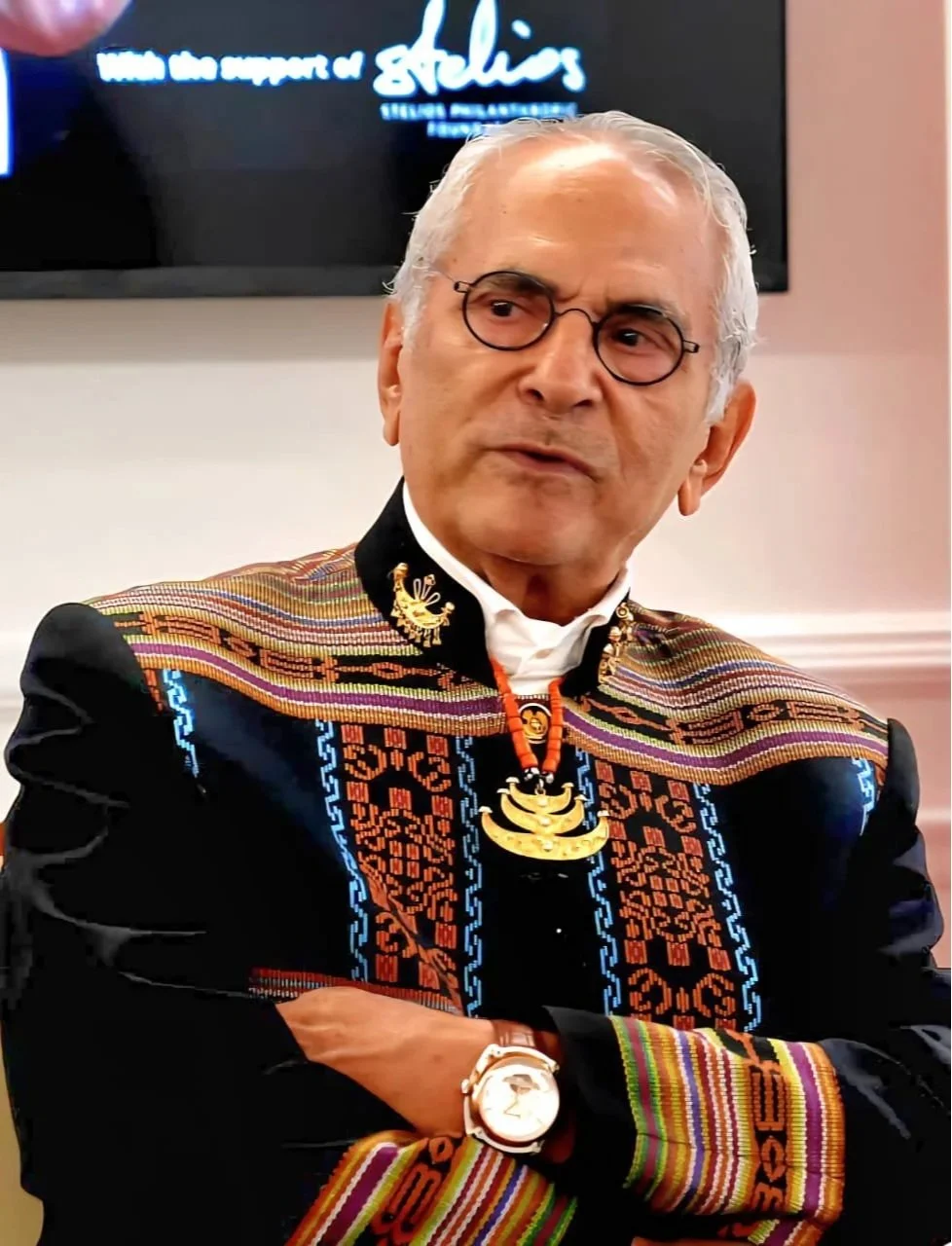
José Ramos-Horta was awarded the Nobel Peace Prize in 1996 for his efforts toward a just and peaceful resolution to the conflict in Timor-Leste. He has served in multiple senior leadership roles, including President, Prime Minister, and Minister of Foreign Affairs. A global advocate for peace, diplomacy, and development, he continues to champion education, youth empowerment, and international cooperation.
-
Benjamin List was awarded the Nobel Prize in Chemistry in 2021 for the development of asymmetric organocatalysis. His work has provided a powerful and more sustainable method for building molecules, widely used in pharmaceuticals and chemical industries. As Director at the Max Planck Institute, he continues to drive innovation at the forefront of modern chemistry.
-
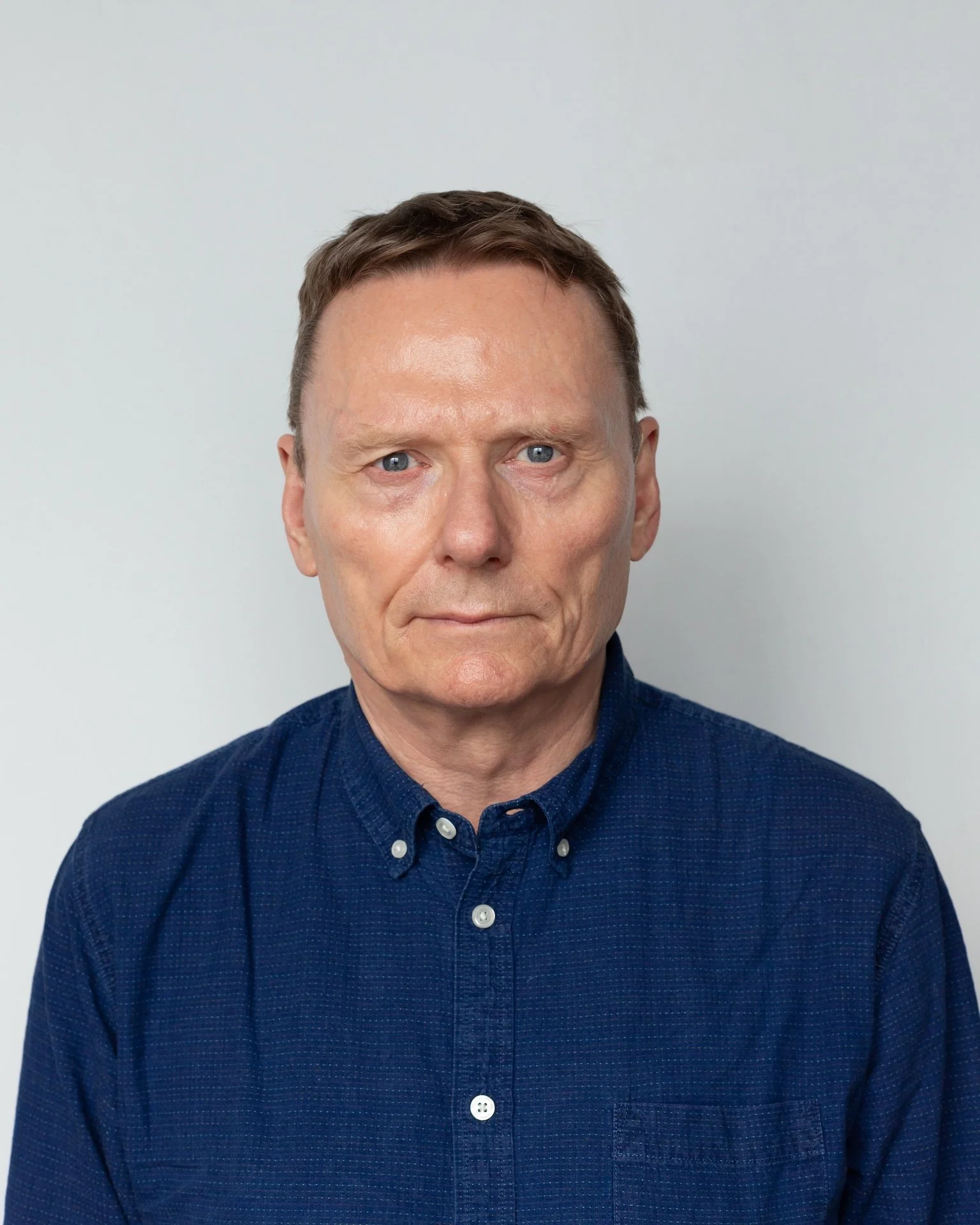
James A. Robinson is a leading scholar of political economy, known for his work on the relationship between institutions, governance, and economic development. He is the co-author of Why Nations Fail, a widely influential book on the origins of prosperity and poverty. A professor at the University of Chicago, his research informs global debates on development, democracy, and state-building.
-
Richard S. Sutton is a leading figure in artificial intelligence, widely recognised as a pioneer of reinforcement learning. His research has shaped modern AI systems, influencing applications from robotics to large-scale machine learning. A professor at the University of Alberta, he continues to advance the frontiers of AI and its real-world impact.
-
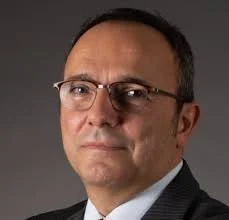
Yannis Ioannidis is a leading computer scientist known for his work in data management, information systems, and large-scale data infrastructures. He has played a key role in advancing research and policy on data-driven innovation in Europe and internationally. A professor at the National and Kapodistrian University of Athens, he continues to shape the future of data science and digital transformation.
-
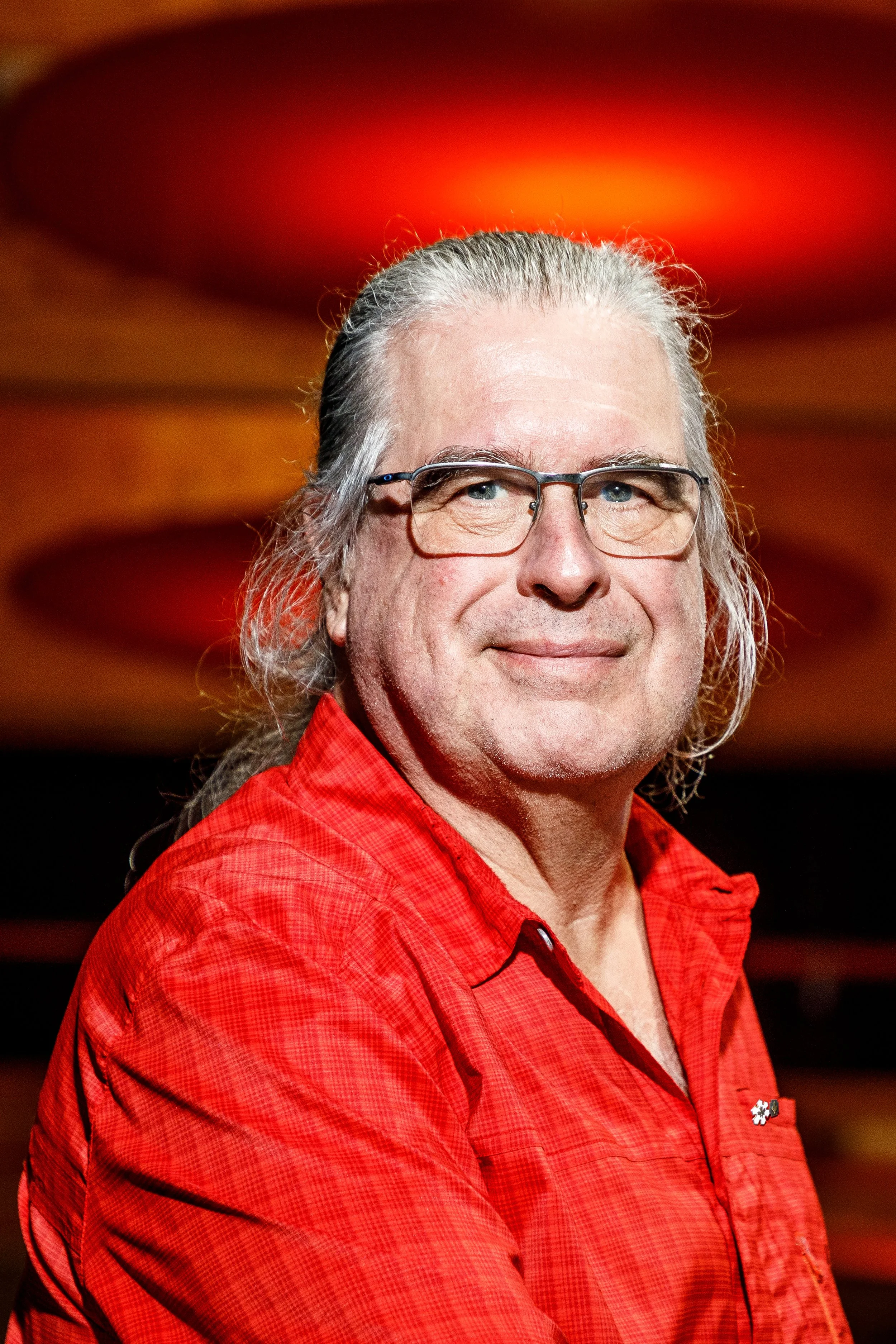
Gilles Brassard is a pioneering computer scientist known for his foundational contributions to quantum cryptography and quantum computing. He was awarded the Turing Award in 2018 for developing key protocols that enable secure quantum communication. A professor at the Université de Montréal, he continues to advance research at the forefront of quantum information science.
-
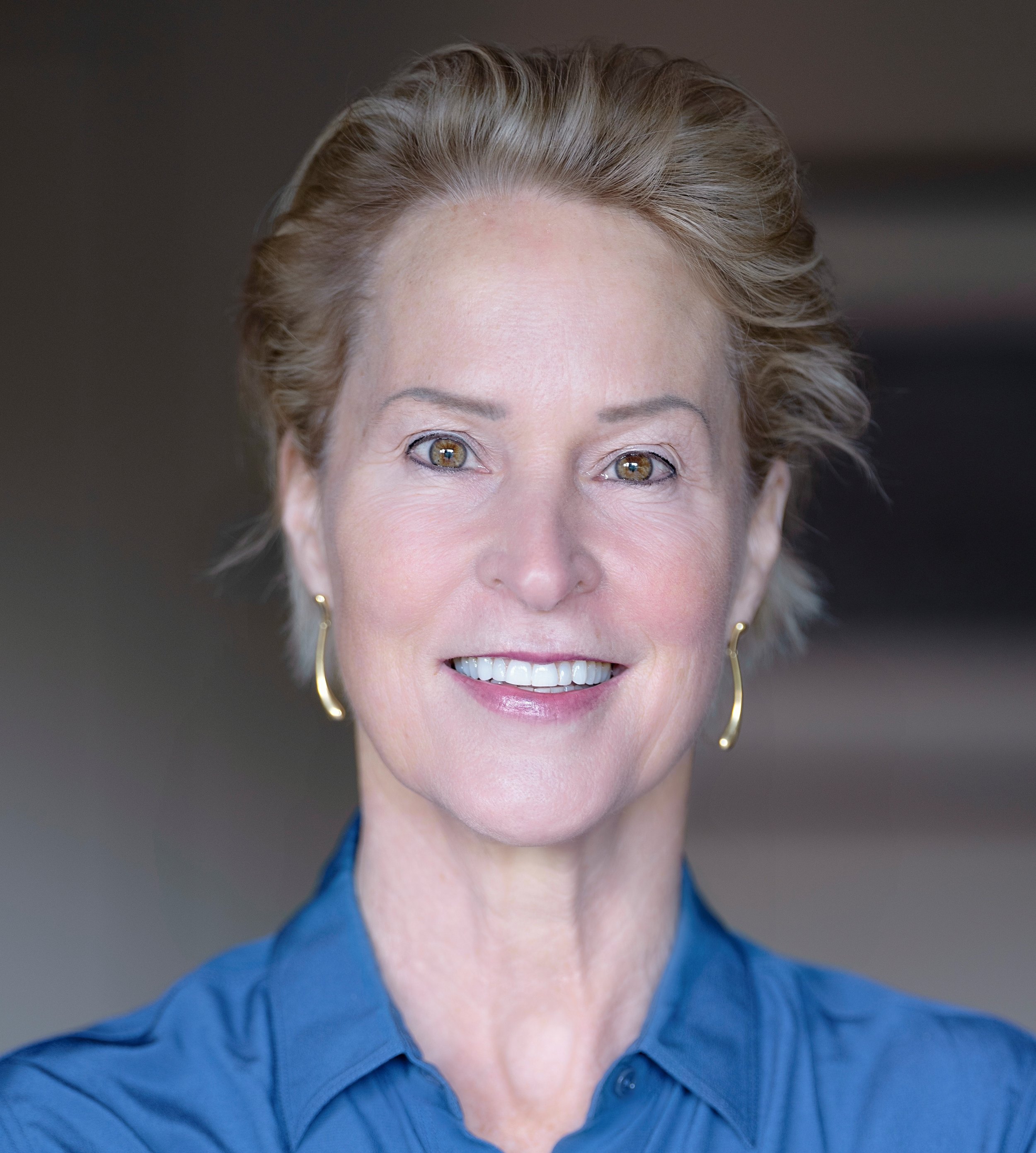
Frances H. Arnold was awarded the Nobel Prize in Chemistry in 2018 for pioneering the directed evolution of enzymes. Her work has transformed the field of biochemistry, enabling more sustainable and efficient processes in medicine, energy, and industry. A professor at the California Institute of Technology, she is a leading voice on innovation, sustainability, and the role of science in solving global challenges.
-
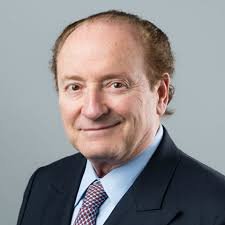
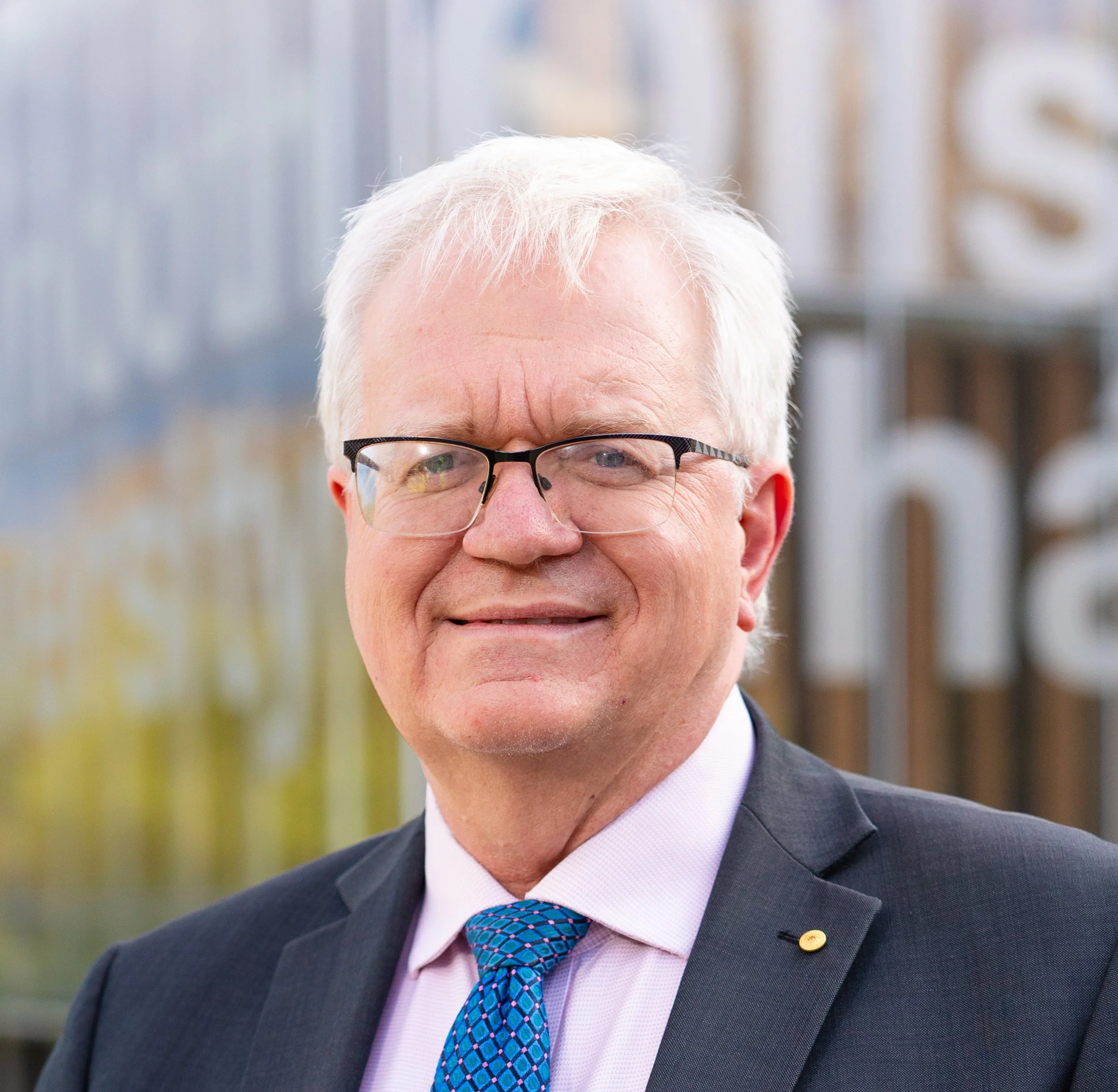
Robert C. Merton was awarded the Nobel Prize in Economic Sciences in 1997 for developing a new method to determine the value of financial derivatives. His work has shaped modern financial theory and risk management practices worldwide. A professor at MIT, he continues to contribute to global discussions on finance, innovation, and economic development.
-
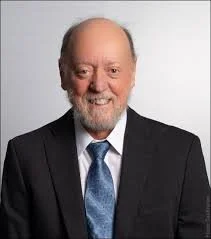
Brian P. Schmidt was awarded the Nobel Prize in Physics in 2011 for the discovery of the accelerating expansion of the universe. His work transformed our understanding of cosmology and the nature of dark energy. As Vice-Chancellor of the Australian National University, he is a strong advocate for science, education, and research leadership.
-
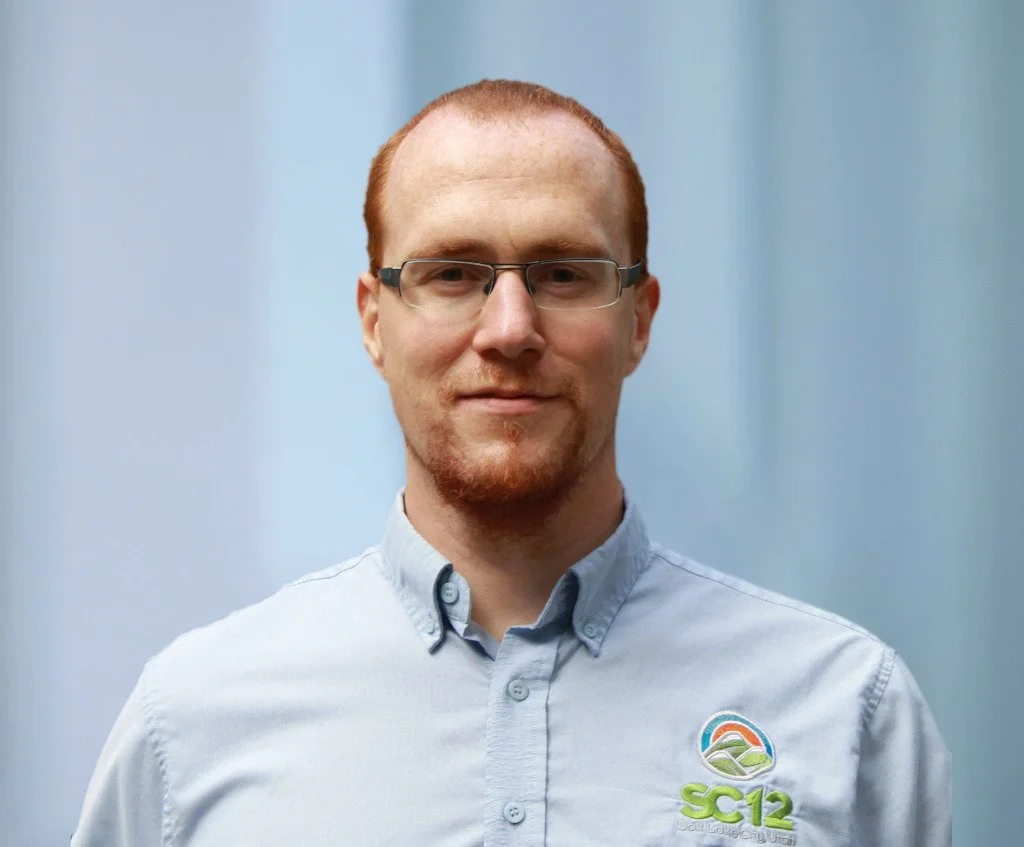
Jack Dongarra was awarded the Turing Award in 2021 for his pioneering contributions to numerical algorithms and high-performance computing. His work has been fundamental to the development of software libraries used in scientific computing and supercomputing worldwide. A professor at the University of Tennessee, he continues to advance research at the intersection of mathematics, computing, and data science.
-
Torsten Hoefler is a leading computer scientist specialising in high-performance computing and scalable systems. He was awarded the ACM Prize in Computing in 2023 for his contributions to performance-centric system design and large-scale computing. A professor at ETH Zurich, his work underpins advances in supercomputing, AI, and data-intensive science.
-
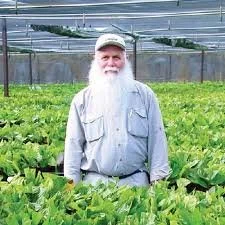
Howard-Yana Shapiro is a globally recognised plant scientist specialising in agricultural biodiversity and crop improvement. His work has focused on strengthening food systems, enhancing nutrition, and supporting sustainable agriculture in developing countries. He has advised governments, foundations, and international organisations on strategies to improve food security and resilience.
-
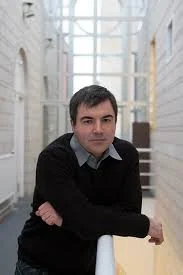
Konstantin Novoselov was awarded the Nobel Prize in Physics in 2010 for the discovery of graphene, a groundbreaking two-dimensional material. His work has opened new frontiers in electronics, materials science, and nanotechnology. A leading physicist, he continues to advance research with transformative applications across industry and technology.
-
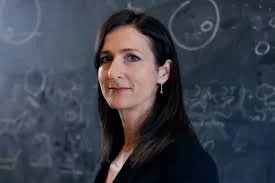
Sara Seager is a leading astrophysicist known for her groundbreaking work on the discovery and characterisation of exoplanets. She was awarded the Kavli Prize in Astrophysics for her contributions to understanding the atmospheres and properties of planets beyond our solar system. A professor at MIT, she continues to drive innovation in space science and the search for life beyond Earth.
-
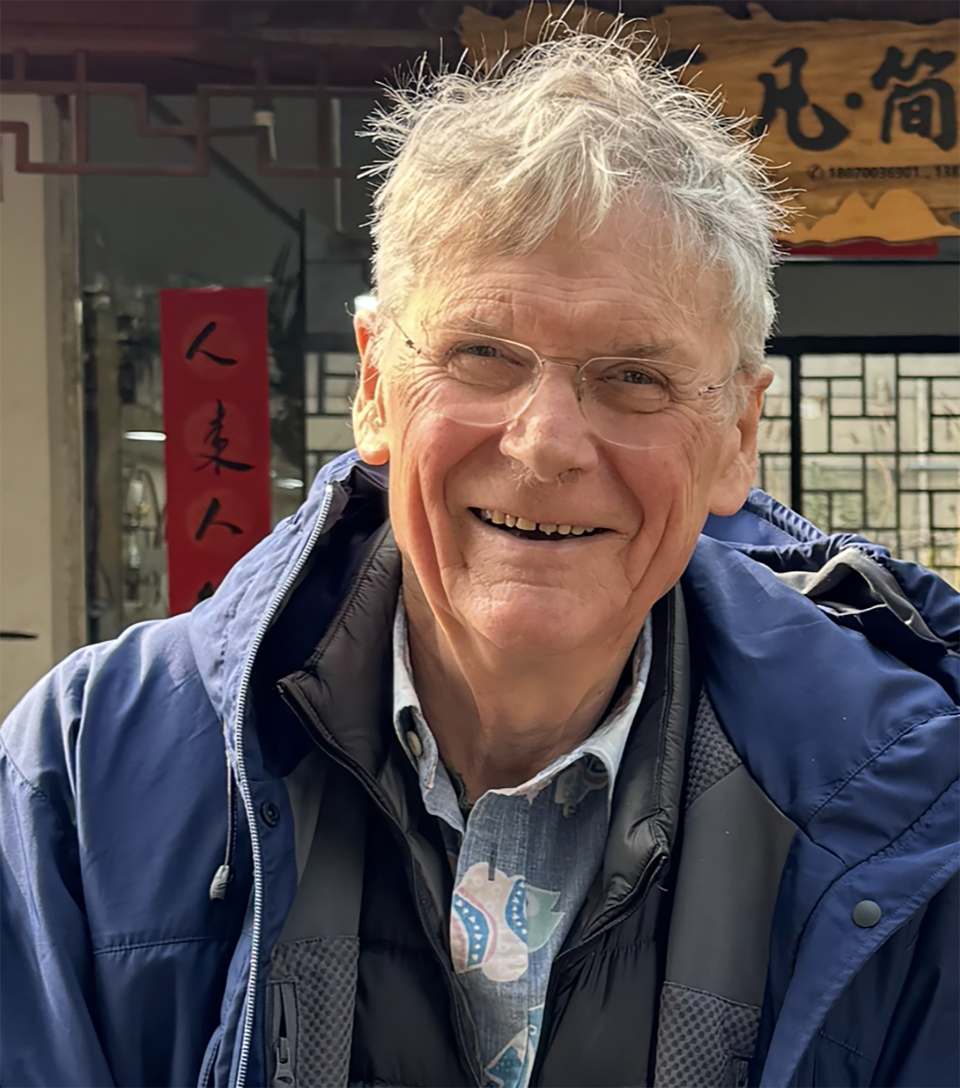
Sir Tim Hunt was awarded the Nobel Prize in Physiology or Medicine in 2001 for the discovery of key regulators of the cell cycle. His work has been critical to understanding how cells grow and divide, with major implications for cancer research. A leading British biochemist, he has played a prominent role in advancing global biomedical science and research collaboration.
-
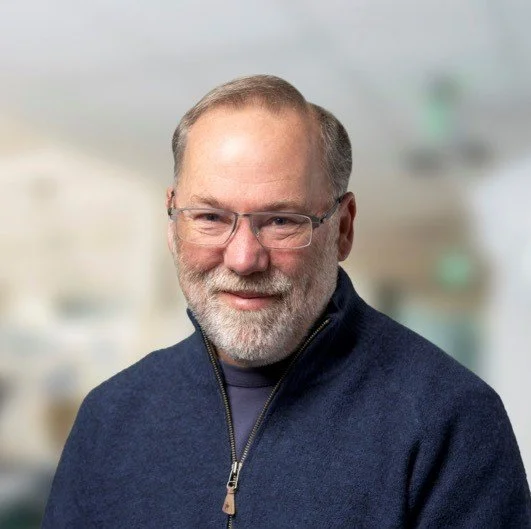
Frederick J. Ramsdell is a leading immunologist known for his research on immune regulation and the role of regulatory T cells in human disease. His work has advanced understanding of autoimmune disorders and informed the development of new therapeutic approaches. He has held senior scientific leadership roles in biotechnology, contributing to the translation of research into clinical innovation.
-
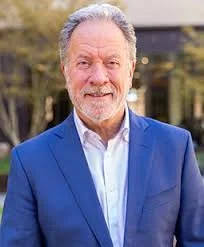
David Beasley served as Executive Director of the United Nations World Food Programme when it was awarded the Nobel Peace Prize in 2020 for its efforts to combat hunger and promote peace. During his tenure, he led global humanitarian responses in some of the world’s most challenging contexts. He continues to advocate for food security, resilience, and international cooperation to address global crises.
-
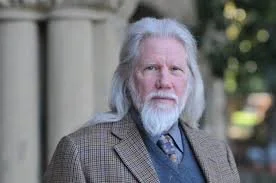
Whitfield Diffie is a pioneering cryptographer who co-invented public-key cryptography, transforming how information is securely transmitted in the digital age. He was awarded the Turing Award in 2015 for this foundational contribution to modern cybersecurity. His work continues to shape global approaches to privacy, encryption, and secure communication.
-
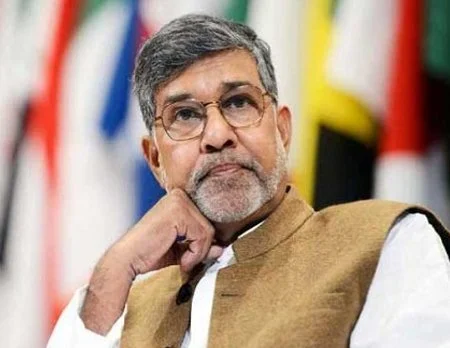
Kailash Satyarthi was awarded the Nobel Peace Prize in 2014 for his decades-long struggle against the exploitation of children and for the right of all children to education. Through his global advocacy and grassroots activism, he has helped rescue thousands of children from child labour, trafficking, and exploitation. He continues to champion education, human rights, and social justice as foundations for sustainable development and peace.
-
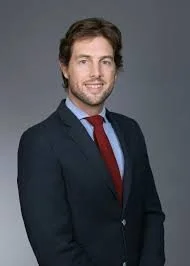
Leander Heldring is a development economist whose research focuses on institutions, conflict, and long-term economic development. His work uses historical and empirical analysis to understand how governance and policy shape economic outcomes. He is currently a professor at Northwestern University.
-
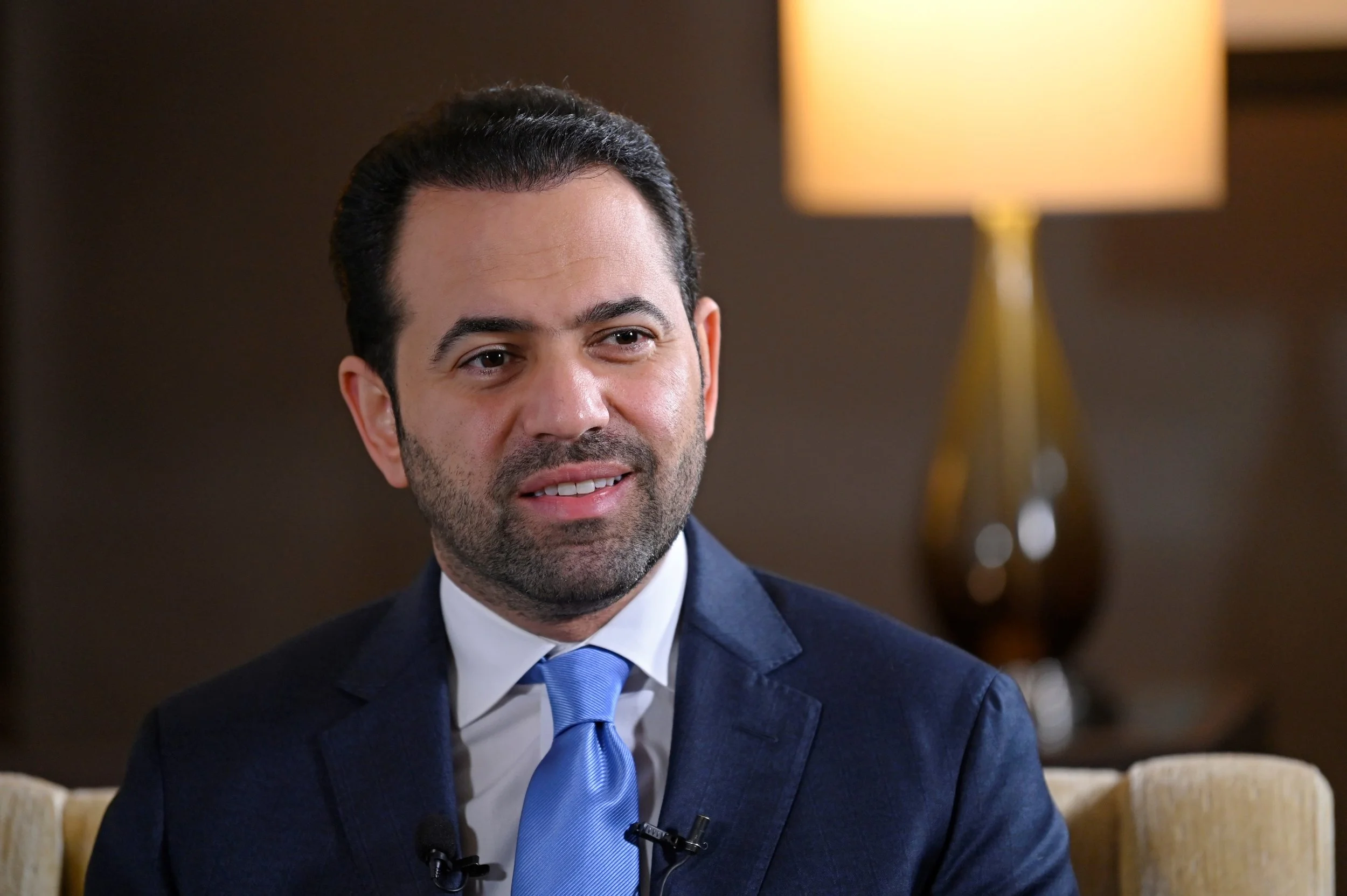
Mohammed Abdelsalam is a senior diplomat and peacebuilding expert, currently serving as Secretary-General of the Muslim Council of Elders. He has played a key role in advancing interfaith dialogue and international cooperation, including contributing to the historic Document on Human Fraternity. His work focuses on promoting peace, tolerance, and collaboration across cultures and nations.